

The Role of GABA in Calm Focus: 2026 Guide
TL;DR:
- GABA is the brain’s main inhibitory neurotransmitter, supporting calm, focused alertness by reducing neuronal overactivity. Supplementation and gut microbiota pathways can enhance systemic GABA levels, promoting alpha wave activity and stress reduction. Combining dietary, probiotic, and behavioral strategies optimizes GABA function for high-performance focus and relaxation.
GABA, formally known as gamma-aminobutyric acid, is the brain’s primary inhibitory neurotransmitter, and its role in calm focus is more central than most people realize. When your neural activity runs too hot — during a high-stakes presentation, a deep study session, or a pressure-filled workday — GABA is the system that pulls the throttle back. It doesn’t sedate you. It creates the neurological conditions for focused, relaxed alertness. For entrepreneurs, students, and professionals who need to perform under pressure without burning out, understanding how GABA works is one of the most practical pieces of neuroscience you can apply.
How does GABA biologically promote calm and focus?
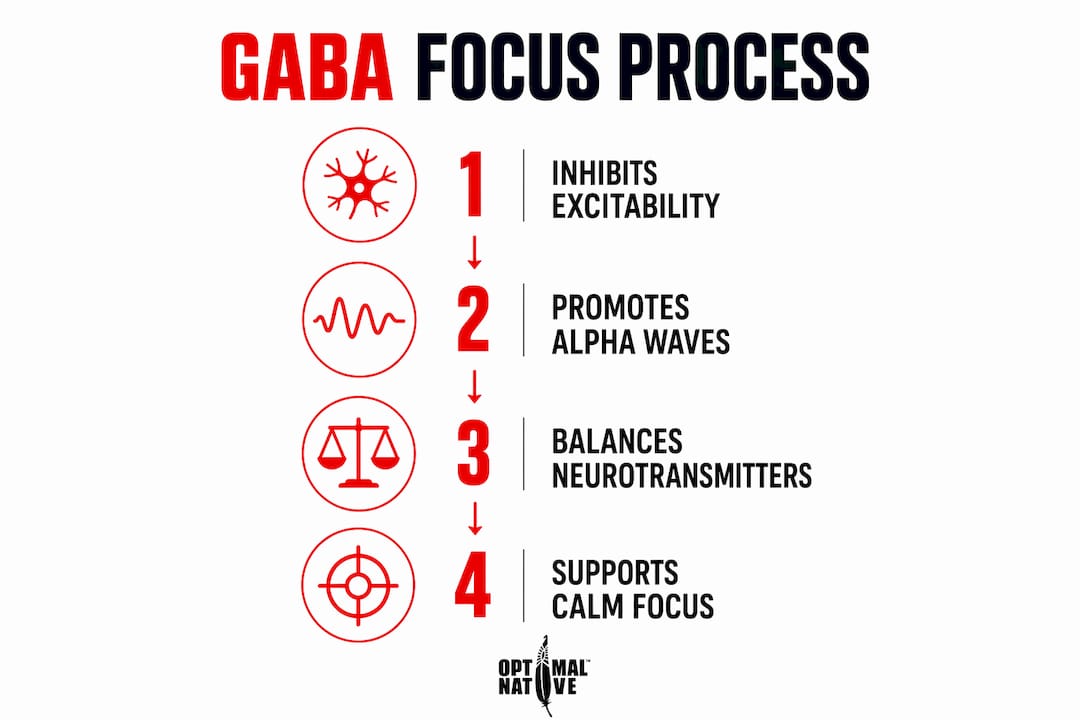
GABA reduces neuronal excitability by blocking impulses between nerve cells, which directly links it to calming effects and stress reduction. Think of your brain as a city’s electrical grid. Excitatory neurotransmitters like glutamate are the power surges. GABA is the circuit breaker that prevents overload. Without adequate GABAergic activity, the brain stays in a state of hyperactivation, which feels like anxiety, scattered thinking, or the inability to settle into deep work.
The mechanism behind calm focus becomes clearer when you look at brain wave patterns. Oral GABA ingestion shifts brain activity toward alpha waves, the frequency associated with relaxed alertness, and suppresses beta waves, which dominate during stress and mental overload. Alpha waves are the same waves measured during meditation and flow states. This is not a sedative effect. It is a recalibration toward productive calm.
Disruptions in GABAergic inhibition are directly implicated in anxiety and stress-related states, which explains why so many high-performers feel chronically wired but unable to focus. The problem is not a lack of effort. It is an imbalance in excitatory-inhibitory signaling. Calm focus requires both systems working in proportion, not one dominating the other.
Key biological mechanisms worth knowing:
- Alpha wave generation: GABA activity promotes the 8 to 12 Hz alpha frequency, the brain’s signature for wakeful calm.
- Beta wave suppression: Reduced beta activity means less mental noise and fewer intrusive stress responses during cognitive tasks.
- Excitatory-inhibitory balance: Circuit-level regulation involving glial cells, not just neurons, contributes to this balance, making the system more complex than a simple “more GABA equals more calm” equation.
- Vagus nerve signaling: Peripheral GABA receptors stimulate vagus nerve afferents that communicate directly with mood and arousal centers in the brain.
Pro Tip: If you notice your focus deteriorating under stress rather than improving, the issue is likely excitatory-inhibitory imbalance, not a willpower deficit. Addressing GABA function targets the root mechanism.
What does current research say about GABA supplements?
The evidence for GABA supplementation has matured significantly in 2026, though it remains nuanced. A 2026 RCT with esports players showed that 200 mg of oral GABA produced significant improvements in frontal EEG engagement and micro-performance on a MOBA task compared to placebo (p < 0.05). This matters because esports performance requires the exact cognitive profile most professionals need: rapid decision-making, sustained attention, and stress tolerance under competitive pressure. The study demonstrates that acute GABA supplementation can produce measurable cognitive benefits in real task conditions, not just on lab questionnaires.
The central debate in GABA research involves the blood-brain barrier. University of Basel research highlights genuine uncertainty about whether oral GABA supplements reach the brain in meaningful quantities. This is not a fringe concern. It is the reason many researchers remain cautious about direct brain-level claims. However, the calming effects observed in clinical studies are real, and the most credible explanation involves peripheral pathways. Peripheral GABA stimulates vagus nerve afferents that influence mood and arousal centers, producing calming effects even when direct brain penetration is limited.
A separate line of research points to the gut-brain axis as a meaningful GABA pathway. A 2026 study on the probiotic strain Lactiplantibacillus plantarum Lp815 found that urinary GABA levels rose with Lp815 intake and correlated inversely with insomnia and anxiety scores over six weeks. This suggests gut-derived GABA production is a legitimate systemic pathway for supporting relaxation and sleep quality, distinct from direct supplementation.
| Research Finding | What It Means for You |
|---|---|
| 200 mg GABA improved esports EEG engagement (2026 RCT) | Acute supplementation can support focus under real cognitive load |
| Blood-brain barrier limits direct brain access | Peripheral and vagal pathways likely explain observed calming effects |
| Probiotic Lp815 raised urinary GABA and reduced anxiety | Gut-derived GABA offers an alternative pathway worth considering |
| Alpha wave shifts occur within 60 minutes of ingestion | Timing supplementation 30 to 60 minutes before demanding tasks is logical |
Pro Tip: Track your stress-to-performance ratio over two to three weeks when trialing GABA supplements. Cognitive benefits tend to show up as reduced mental friction, not a dramatic boost, so you need a baseline to detect the change.
How does GABA compare with other calming approaches?
GABA does not operate in isolation. Several other compounds and lifestyle practices influence the same excitatory-inhibitory balance, and comparing them helps you build a more effective protocol.
L-theanine, an amino acid found in green tea, works through a partially overlapping mechanism. It also promotes alpha wave activity and reduces stress responses, but it does so by modulating glutamate receptors rather than acting directly on GABA receptors. The two compounds are often stacked together precisely because they reinforce the same neurological outcome through different entry points. For someone who finds GABA supplementation alone insufficient, adding L-theanine addresses the excitatory side of the equation more directly.
Dietary sources of GABA include fermented foods like kimchi, miso, and tempeh, as well as leafy greens such as kale and spinach. Experts consistently recommend building a GABA-supportive diet before relying on supplements. Food-based GABA comes packaged with cofactors and fiber that support gut health, which in turn supports the gut-brain GABA pathway identified in probiotic research.
| Approach | Mechanism | Best Use Case |
|---|---|---|
| Oral GABA supplement | Peripheral vagal signaling, possible direct CNS effects | Acute pre-task calm focus support |
| L-theanine | Glutamate modulation, alpha wave promotion | Stacking with GABA for broader coverage |
| Fermented foods and leafy greens | Dietary GABA and gut microbiome support | Long-term baseline GABAergic health |
| Meditation and breathwork | Endogenous GABA release, alpha wave entrainment | Sustainable, no-cost daily practice |
| GABA-producing probiotics | Gut-derived systemic GABA increase | Sleep quality and chronic anxiety reduction |
Meditation deserves specific mention because it is one of the few interventions with strong evidence for increasing endogenous GABA production. Regular mindfulness practice produces measurable increases in brain GABA levels, which means it addresses the root system rather than supplementing around it. For anyone serious about sustained calm focus, combining meditation with dietary and supplementation strategies produces better outcomes than any single approach alone.
What practical strategies support GABA function daily?
Applying GABA science to your actual schedule requires more than buying a supplement. Here is a structured approach that integrates the evidence:
-
Time supplementation strategically. EEG alpha shifts typically appear within 60 minutes of oral GABA ingestion. Taking 100 to 200 mg roughly 30 to 60 minutes before a high-demand task, a presentation, an exam, or a deep work block, aligns the neurological window with your performance window.
-
Add a GABA-producing probiotic. Strains like Lactiplantibacillus plantarum Lp815 support systemic GABA production through the gut. This pathway is slower than direct supplementation but produces more sustained baseline effects over weeks. Think of it as building the infrastructure rather than just flipping a switch.
-
Build a GABA-supportive diet. Fermented foods, dark leafy greens, and whole grains provide dietary GABA and the B6 cofactor your body needs to synthesize GABA endogenously. Magnesium also supports GABAergic receptor function, making it worth including through foods like almonds, pumpkin seeds, and dark chocolate.
-
Pair supplementation with a stress management practice. Meditation, diaphragmatic breathing, and even structured physical exercise all increase endogenous GABA activity. These practices do not replace supplementation, but they make the same neurological system more responsive and efficient over time.
-
Manage your expectations about acute versus long-term effects. Acute benefits of GABA are task-specific, as the esports research shows. You are not going to feel a dramatic shift in the first hour. The more reliable signal is a reduction in mental friction and stress reactivity over days and weeks of consistent practice.
Pro Tip: Do not chase a “calm feeling” as your success metric. Instead, track whether you complete cognitively demanding tasks with less residual stress. That is the functional outcome GABA supports.
Key takeaways
GABA supports calm focus by reducing neuronal excitability, promoting alpha wave activity, and balancing excitatory-inhibitory signaling, with effects delivered through both direct and peripheral pathways.
| Point | Details |
|---|---|
| GABA’s core function | It reduces neuronal excitability and promotes alpha wave activity for relaxed alertness. |
| Supplement absorption nuance | Peripheral vagal pathways likely explain calming effects when direct brain access is limited. |
| 2026 clinical evidence | A 200 mg oral dose improved esports cognitive engagement and micro-performance in a controlled RCT. |
| Gut-brain pathway | Probiotic strains like Lp815 raise systemic GABA and reduce anxiety over six weeks. |
| Holistic application | Combining GABA supplementation with diet, probiotics, and meditation produces the most reliable results. |
What I’ve learned about GABA after working with high-performers
The most common mistake I see is treating GABA as a simple on/off switch for calm. People assume that more GABA equals more focus, so they take high doses and wait for clarity to arrive. That is not how the system works. Achieving calm focus depends on balanced excitatory-inhibitory signaling, not just maximizing one side of the equation. Flooding the inhibitory system without addressing the excitatory drivers of stress produces dullness, not focused calm.
What actually works is treating GABA support as one layer in a broader protocol. The entrepreneurs and students who report the clearest results are those who combine a consistent sleep schedule, a diet with fermented foods and magnesium, a daily breathwork or meditation practice, and targeted supplementation timed to their most demanding cognitive windows. The supplement alone rarely moves the needle enough to notice. The system does.
The probiotic research also changed how I think about this. Gut-derived GABA is a slower, quieter pathway, but it builds a more stable baseline. If you are dealing with chronic stress and disrupted sleep, starting with a GABA-producing probiotic and dietary changes before adding direct supplementation is a more logical sequence. You are building the factory before you start ordering extra inventory.
— Optimal Native
Support your calm focus with Optimal Native
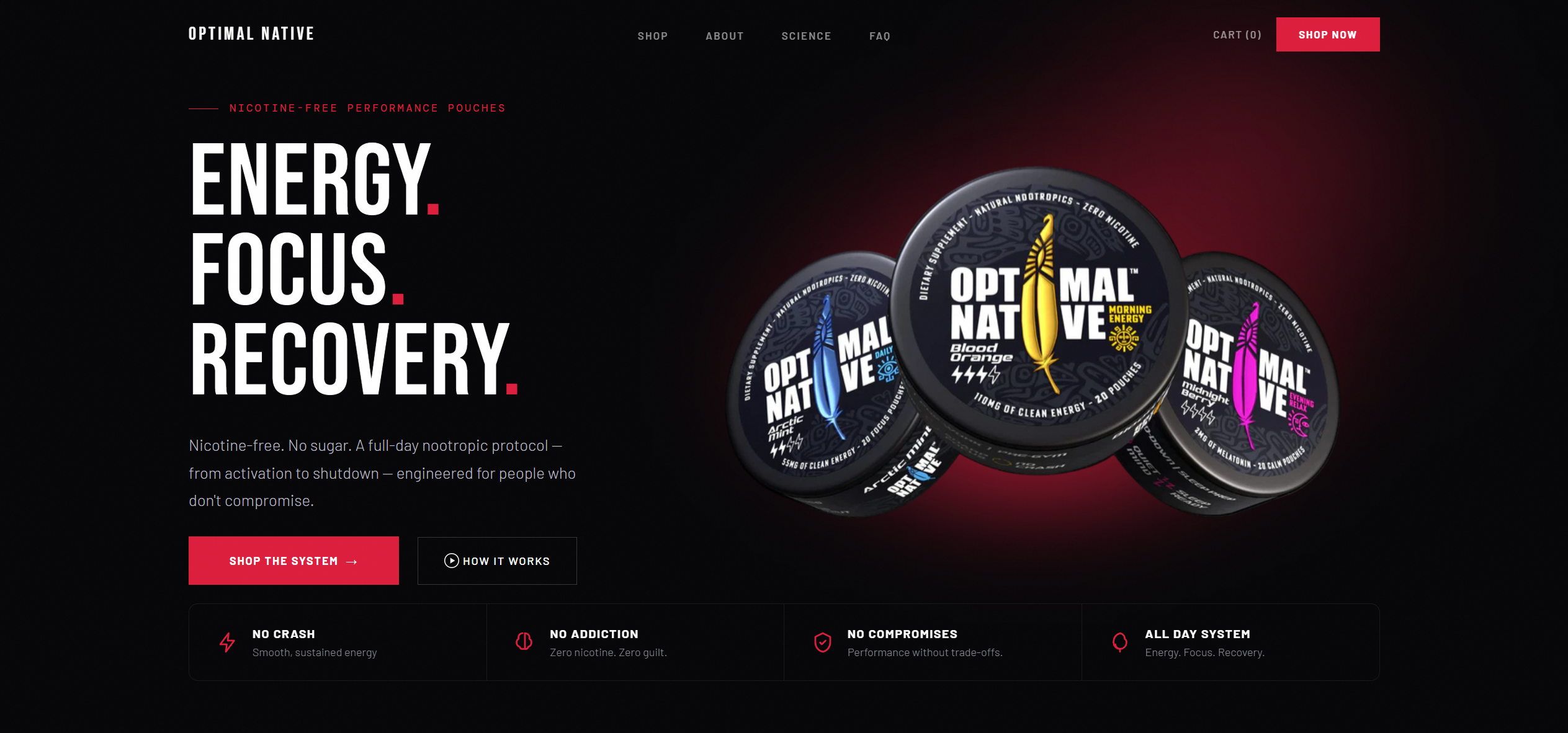
Optimal Native formulates its performance pouches specifically for the kind of calm, sustained focus that entrepreneurs, students, and professionals need throughout the day. The daily performance bundle combines nootropics and adaptogens that support the same excitatory-inhibitory balance this article covers, without nicotine, crashes, or dependency. If you want consistent delivery without thinking about it, the subscribe and save program keeps your protocol running automatically. With 4.9 out of 5 stars from over 300 verified reviews, the results speak for themselves.
FAQ
What is the role of GABA in calm focus?
GABA is the brain’s primary inhibitory neurotransmitter. It reduces neuronal excitability and promotes alpha wave activity, creating the neurological state of relaxed alertness that underlies calm focus.
Can oral GABA supplements actually reach the brain?
The evidence is mixed. University of Basel research highlights genuine uncertainty about blood-brain barrier penetration, but peripheral GABA stimulates vagus nerve pathways that influence mood and arousal centers, producing real calming effects regardless.
How long does it take for GABA to affect focus?
EEG studies show alpha wave shifts typically appear within 60 minutes of oral GABA ingestion. Taking 100 to 200 mg roughly 30 to 60 minutes before a demanding task aligns the effect window with your performance window.
Are there natural ways to increase GABA without supplements?
Yes. Fermented foods, leafy greens, magnesium-rich foods, regular meditation, and diaphragmatic breathing all support endogenous GABA activity. GABA-producing probiotic strains like Lactiplantibacillus plantarum Lp815 offer an additional gut-brain pathway.
How does GABA compare with L-theanine for calm focus?
Both promote alpha wave activity, but through different mechanisms. GABA acts on inhibitory receptors directly, while L-theanine modulates glutamate receptors on the excitatory side. Stacking both addresses the balance from two directions, which is why the combination is widely used in performance nootropic formulas.