

Calm Focus Without Caffeine Anxiety: Natural Techniques
TL;DR:
- Calm focus without caffeine anxiety is attainable through controlled breathing, targeted supplements like L-theanine, and healthy lifestyle habits. Tracking caffeine intake and gradually reducing it, while implementing behavioral strategies, enhances sustained energy and reduces jitters. Personalization and consistency are key to achieving jitter-free focus tailored to individual needs.
Calm focus without caffeine anxiety is achievable through a combination of controlled breathing, targeted supplementation, and behavioral habits that work with your nervous system rather than against it. Millions of people rely on coffee, energy drinks, and tea to get through the day, yet many experience racing hearts, trembling hands, and disrupted sleep as a result. L-theanine, abdominal breathing protocols, and fiber-rich nutrition offer research-backed alternatives that deliver real alertness without the jitters. This article breaks down exactly how to build that kind of focus, step by step.
How does caffeine contribute to anxiety and jitters?
Caffeine triggers anxiety by blocking adenosine receptors and raising cortisol and adrenaline levels, which shifts your nervous system into a state of high alert. That response is useful in small doses but becomes counterproductive once you cross certain thresholds.
The dose threshold matters more than most people realize. Daily caffeine above 400 mg is associated with increased anxiety and jitters for many individuals. That number sounds high until you account for how quickly it adds up across a typical day.
Hidden caffeine sources catch people off guard constantly. A single cup of filtered coffee contains 60 to 135 mg. Energy drinks can add up to 120 mg per can. Chocolate, pre-workout supplements, and even some headache medications contain additional caffeine. Tracking total caffeine in milligrams across all sources reveals how easy it is to exceed safe limits without realizing it.
Genetics also play a significant role. Some people metabolize caffeine slowly, which means the stimulant stays active in their system far longer, raising the risk of anxiety and sleep disruption even at moderate intake levels. Understanding your own caffeine sensitivity is the first step toward managing it.
Watch for these symptoms that signal caffeine-induced anxiety:
- Heart racing or pounding, especially after a second or third drink
- Fine tremors in the hands or a general sense of physical restlessness
- Difficulty concentrating despite feeling stimulated
- Disrupted sleep, even when caffeine was consumed in the morning
- Heightened irritability or a sense of impending dread
Pro Tip: If you experience two or more of these symptoms regularly, try logging every caffeine source for three days using an app like Cronometer. Most people are surprised by how far over 400 mg they actually go.
What natural techniques reduce anxiety without caffeine?
Structured breathing is the fastest, most accessible tool for achieving calm concentration without any substance at all. It works by directly shifting your autonomic nervous system from sympathetic (fight-or-flight) to parasympathetic (rest-and-focus) mode.
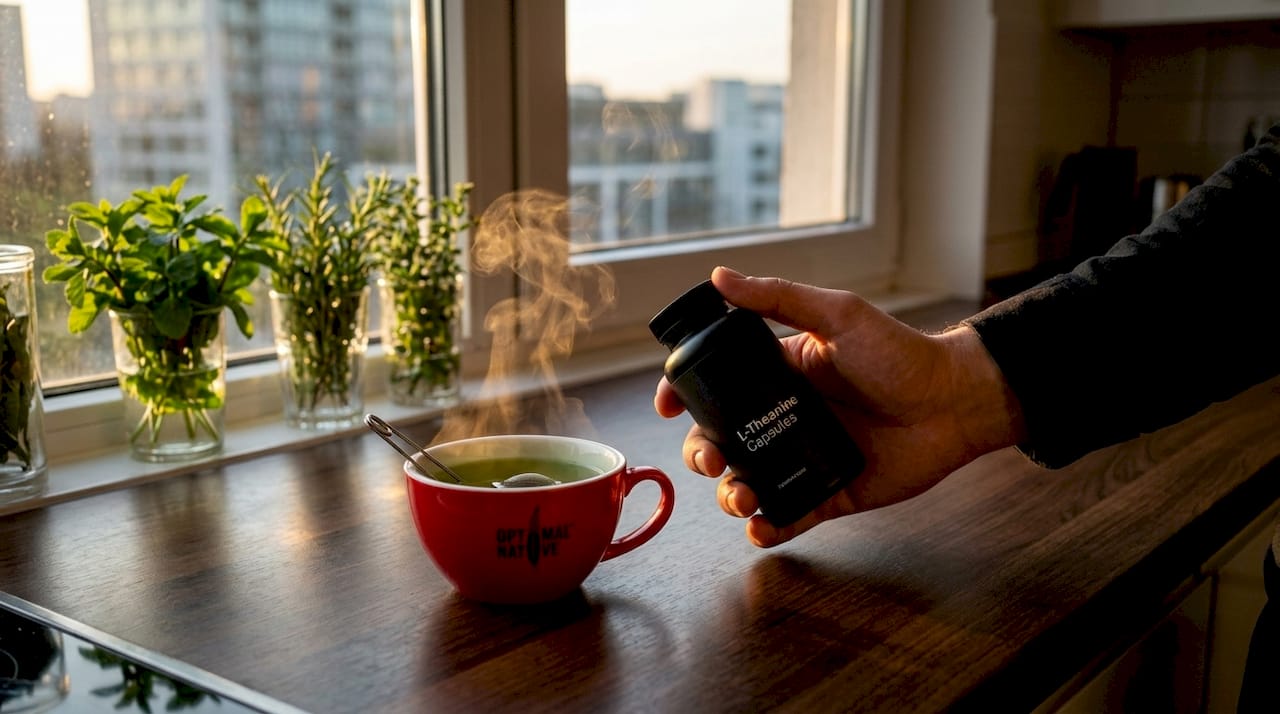
The research behind this is specific and strong. An 8-week abdominal breathing program reduces anxiety symptoms with an effect size of d = 0.61, alongside measurable drops in heart rate, respiratory rate, and blood pressure. That effect size is clinically meaningful. It means breathing practice produces roughly the same anxiety reduction as many first-line behavioral interventions.
Slow-paced breathing works even faster in acute situations. Slow-paced breathing triggered at moments of anxiety reduces acute anxiety significantly immediately after practice. This makes it a practical tool you can deploy in the middle of a meeting, before a presentation, or during a study session when your mind starts to scatter.
Here is a practical protocol to implement today:
- Set a trigger. Choose a recurring moment in your day, such as sitting down at your desk or opening your laptop, as the cue to begin.
- Breathe into your belly. Place one hand on your abdomen. Inhale slowly through your nose for 4 counts, feeling your belly rise rather than your chest.
- Extend the exhale. Breathe out through your mouth for 6 to 8 counts. The longer exhale activates the vagus nerve and accelerates the parasympathetic response.
- Repeat for 5 minutes. Three to four sessions per day of 10 to 15 minutes each is the studied protocol, but even 5 minutes produces measurable relief.
- Transition immediately into focused work. Pairing slow breathing with a focus session synergistically reduces anxiety while improving performance. Do not check your phone between the breathing and the work block.
Pro Tip: Use a free app like Insight Timer or set a simple phone timer. The key is consistency, not duration. Five minutes done daily beats 30 minutes done once a week.
Can supplements like L-theanine support calm alertness without sedation?
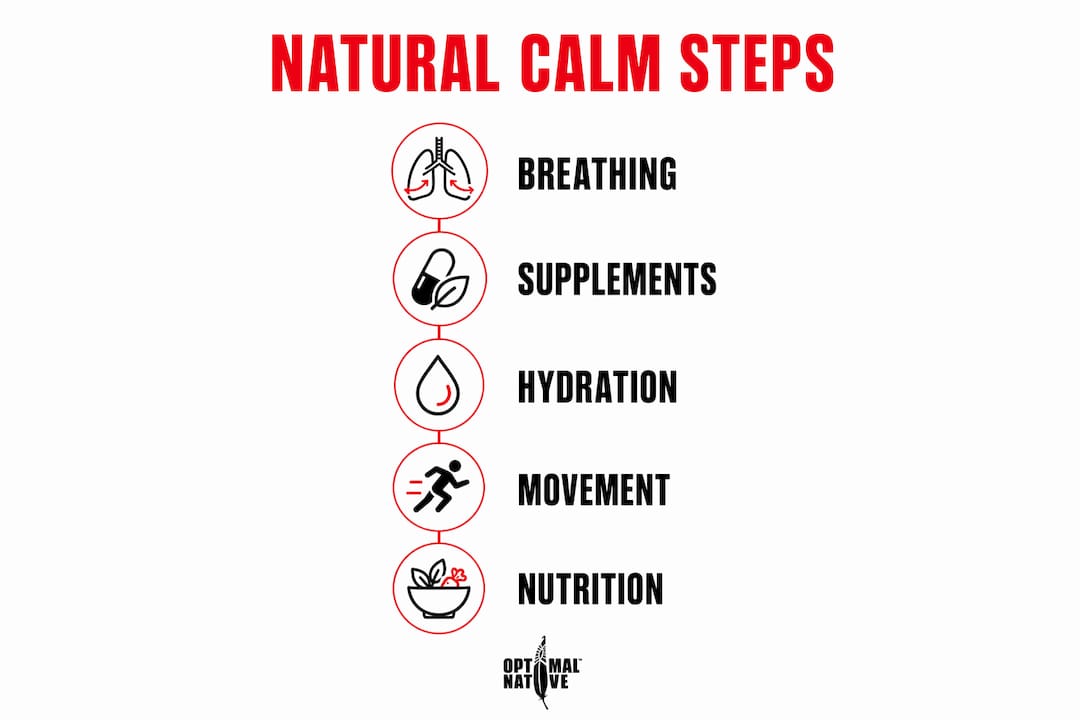
L-theanine is a naturally occurring amino acid found primarily in green tea leaves, and it is the most studied non-caffeinated compound for producing relaxed alertness. Unlike sedatives or adaptogens that blunt your energy, L-theanine sharpens focus while reducing the physiological markers of stress.
The mechanism is well understood. L-theanine increases alpha brainwave activity and lowers cortisol, promoting an alert but relaxed state. Alpha waves are the same brainwave pattern associated with flow states and creative problem-solving. Raising them without sedation is exactly what people who want to reduce anxiety without caffeine are looking for.
Timing and dosage determine whether you get results or not. Key guidelines include:
- Dose range: 100 to 400 mg is the studied range. Most people find 200 mg effective for situational stress and focus.
- Timing: Take L-theanine 30 to 60 minutes before a stress-demanding event or focus session for optimal effect.
- Situational use: Treat L-theanine as a situational tool rather than a daily vitamin. Taking it about an hour ahead of stress yields better calm focus results than routine daily dosing without context.
- Safety profile: L-theanine has no known dependency risk and does not interfere with sleep when taken during the day. It is generally well tolerated across a wide age range.
For a deeper look at the science behind this compound, the role of L-theanine in calm focus is worth reading before you buy any supplement.
What lifestyle habits support sustained energy without stimulants?
Non-caffeinated energy is primarily behavioral. Balancing diet, hydration, movement, and sleep yields stable alertness without stimulants, and the research on this is consistent across multiple studies. The challenge is that these habits require more planning than reaching for a coffee cup.
Hydration is the most underrated focus tool available. Even mild dehydration impairs cognitive function and creates the kind of mental fog that people typically try to fix with caffeine. Drinking water consistently throughout the morning, before you feel thirsty, prevents the mid-morning slump before it starts.
Nutrition timing matters as much as food quality. Fiber-rich whole foods stabilize blood sugar and reduce the post-meal energy crashes that drive people toward afternoon coffee runs. Meals built around vegetables, legumes, whole grains, and lean protein produce a slower, steadier glucose release compared to refined carbohydrates.
Movement breaks are a direct substitute for caffeine’s stimulant effect. Movement breaks of 5 to 10 minutes reduce afternoon fatigue and reliance on stimulants. A short walk, a set of bodyweight squats, or even standing and stretching resets circulation and raises alertness through endorphin and norepinephrine release.
| Strategy | Caffeine approach | Natural approach |
|---|---|---|
| Morning energy | Coffee or energy drink | Hydration plus protein-rich breakfast |
| Afternoon slump | Second coffee | 10-minute walk plus fiber-rich snack |
| Pre-task focus | Espresso shot | L-theanine 30 to 60 minutes before |
| Sleep quality | Cut caffeine by 2 PM | Smart nap plus consistent sleep schedule |
Sleep hygiene closes the loop. Smart napping of 15 to 20 minutes counters afternoon slumps without disrupting nighttime sleep. Set an alarm before you lie down. Napping longer than 25 minutes pushes you into deep sleep stages and produces grogginess rather than recovery.
Pro Tip: Prepare your afternoon snack in the morning. When the 3 PM slump hits, having almonds, an apple, or hummus with vegetables already on your desk removes the friction that sends people to the vending machine or coffee pot.
How to build a personalized calm focus routine without caffeine
Building a sustainable routine requires honest assessment of where you currently are, not where you think you should be. Start by tracking your actual caffeine intake for one week before changing anything.
Follow this sequence to build your routine:
- Audit your intake. Log every caffeine source in milligrams for seven days. Include tea, chocolate, sodas, and supplements. Most people discover they are consuming 500 to 700 mg on high-stress days.
- Schedule breathing sessions. Place a 5-minute abdominal breathing block at the start of your morning work session and again before your most demanding afternoon task. These are non-negotiable appointments.
- Time your L-theanine use. Identify two or three recurring high-stress moments in your week, such as Monday morning meetings or afternoon deadline blocks. Take 200 mg roughly one hour before those events.
- Plan meals and hydration. Prepare fiber-rich lunches that include legumes or whole grains. Keep a 24-ounce water bottle on your desk and refill it twice before 3 PM.
- Add movement breaks. Set a recurring alarm for 2:30 PM. Stand up and move for 10 minutes before returning to work.
- Review weekly. Note which days felt most focused and least anxious. Adjust timing, dosage, or meal composition based on what you observe.
| Time of day | Action | Purpose |
|---|---|---|
| 7:00 AM | 16 oz water plus protein breakfast | Hydration and blood sugar stability |
| 8:30 AM | 5-minute abdominal breathing | Parasympathetic activation before work |
| 9:00 AM | L-theanine if high-stress day | Calm alertness for demanding tasks |
| 12:30 PM | Fiber-rich lunch | Prevent post-meal energy crash |
| 2:30 PM | 10-minute movement break | Replace afternoon stimulant urge |
| 3:00 PM | Smart nap if needed (15 min max) | Restore alertness without sleep disruption |
The most common pitfall is trying to eliminate caffeine entirely on day one. Reduce intake by 50 to 100 mg per week while layering in the behavioral strategies. This prevents withdrawal headaches and gives the new habits time to demonstrate their value.
Key takeaways
Calm focus without caffeine anxiety is built through breathing, targeted supplementation, and consistent lifestyle habits rather than willpower or stimulant substitution.
| Point | Details |
|---|---|
| Know your caffeine threshold | Track all sources in milligrams; anxiety risk rises significantly above 400 mg daily. |
| Use breathing as a first response | Abdominal breathing for 5 minutes before focused work reduces anxiety and improves performance. |
| Time L-theanine strategically | Take 100 to 400 mg about one hour before high-stress events for best calm alertness results. |
| Stabilize energy through food and water | Fiber-rich meals and consistent hydration prevent the crashes that drive caffeine cravings. |
| Build the routine gradually | Reduce caffeine by 50 to 100 mg per week while adding behavioral strategies one at a time. |
What actually works, from someone who has tested all of it
The conventional advice on cutting caffeine usually sounds like this: drink more water, get more sleep, try meditation. That advice is not wrong. It is just incomplete in a way that makes people give up after three days.
What I have found actually moves the needle is specificity. Breathing exercises only work when they are scheduled and triggered, not when you remember to do them. L-theanine only delivers on its promise when you take it at the right time for the right situation. Nutrition only prevents energy crashes when you prepare the food in advance, not when you are already hungry and reaching for whatever is nearby.
The harder truth is that most people are not caffeine-dependent because they love the taste of coffee. They are dependent because their sleep is poor, their meals are irregular, and their work demands are unpredictable. Addressing those root causes takes longer than swapping one drink for another. But the payoff is a kind of steady, low-anxiety alertness that no stimulant actually delivers.
Individualize everything. What is energizing for one person causes anxiety in another, especially above 400 mg per day. Your metabolism, your stress load, and your sleep quality all interact with caffeine in ways that are specific to you. The strategies in this article are not a protocol to follow blindly. They are tools to test, observe, and adjust until you find the combination that produces real, jitter-free focus for your life.
— Optimal Native
How Optimal Native supports calm, jitter-free focus
Optimal Native formulates its nicotine-free performance pouches around the same principles covered in this article: nootropics and adaptogens that promote clean, sustained alertness without the anxiety spike that follows caffeine. L-theanine is a core ingredient, timed and dosed to support the kind of calm concentration that entrepreneurs and athletes need during their most demanding hours.
If you want to integrate supplement support with the breathing and lifestyle strategies above, the Optimal Native bundle gives you a cost-effective way to start. For ongoing use, the subscribe and save option reduces cost per unit and removes the friction of reordering. Over 300 customers rate Optimal Native at 4.9 out of 5 stars, specifically citing no jitters and no crashes as the defining difference.
FAQ
What is the safest daily caffeine limit to avoid anxiety?
Most adults can tolerate up to 400 mg of caffeine daily without significant anxiety, but individuals with slow caffeine metabolism may experience symptoms at much lower doses. Tracking all sources, including tea, chocolate, and supplements, is the most reliable way to find your personal threshold.
How quickly does L-theanine work for calm focus?
L-theanine effects are typically felt within 30 to 60 minutes of consumption, making it practical to take before a meeting or study session. A dose of 100 to 400 mg taken about one hour before a stressful event produces the most consistent calm alertness results.
Can breathing exercises really replace caffeine for focus?
Structured abdominal breathing activates the parasympathetic nervous system and has been shown to reduce anxiety symptoms with a clinically meaningful effect size of d = 0.61 over eight weeks. Pairing a 5-minute breathing session directly with a focused work block amplifies both the anxiety relief and the performance benefit.
What foods help maintain energy without caffeine?
Fiber-rich whole foods, including legumes, vegetables, and whole grains, stabilize blood sugar and prevent the post-meal crashes that drive caffeine cravings. Consistent hydration and brief movement breaks of 5 to 10 minutes further reduce afternoon fatigue without any stimulant.
How long does it take to reduce caffeine dependence?
Reducing caffeine intake by 50 to 100 mg per week minimizes withdrawal symptoms like headaches while giving behavioral strategies time to take effect. Most people notice a meaningful reduction in anxiety and improved baseline energy within three to four weeks of consistent habit changes.