

What Does Recovery Optimization Mean for Performance
TL;DR:
- Recovery optimization involves intentionally creating biological conditions that enhance repair, adaptation, and strength between stressors. It emphasizes foundational habits like sleep, nervous system regulation, and nutrition, which are essential for maximizing performance and reducing injury risk. Relying solely on gadgets or supplements without proper base layers is ineffective and hampers consistent progress.
Most people think recovery means taking a day off. It doesn’t. What does recovery optimization mean, exactly? It means treating the biological repair process between efforts as a deliberate, structured system. Recovery is not passive downtime. It is an active cascade of hormonal, neural, and cellular events that either get the conditions they need to run at full capacity or don’t. Structured recovery practices can reduce injury risk by 25 to 40% and accelerate strength gains by 20 to 35% compared to unstructured rest. That difference is not a rounding error. It’s the gap between consistent progress and a plateau.
Table of Contents
- Key takeaways
- What does recovery optimization mean at its foundation
- Sleep and nervous system regulation
- Nutrition timing, quality, and macronutrients
- Active recovery and tissue quality
- Technology and tracking tools
- My honest take on recovery mistakes
- How Optimal Native supports your recovery
- FAQ
Key takeaways
| Point | Details |
|---|---|
| Recovery is active, not passive | The body repairs itself through hormonal and neural processes that require deliberate conditions to function. |
| Sleep is the non-negotiable foundation | Deep sleep drives growth hormone release and memory consolidation more than any other recovery input. |
| Nutrition timing matters | Post-exercise carbohydrate and protein intake within the right windows directly accelerates tissue repair. |
| Technology is supplementary | HRV tracking and wearables only add value once sleep, nervous system, and nutrition layers are already solid. |
| Foundational habits outperform biohacks | Consistent sleep, breathwork, and quality food rank higher than expensive gadgets for recovery outcomes. |
What does recovery optimization mean at its foundation
Recovery optimization is the practice of intentionally creating the biological conditions your body needs to repair, adapt, and strengthen between periods of stress. The word “optimization” matters here. It implies a hierarchy: some inputs produce dramatically more return than others, and getting the sequence wrong wastes time and money.
The recovery hierarchy places sleep at the base, followed by nervous system regulation, nutrition, tissue quality, active recovery, and technology in that order. Each layer depends on the one beneath it. You cannot out-supplement a sleep deficit any more than you can build a house starting with the roof.
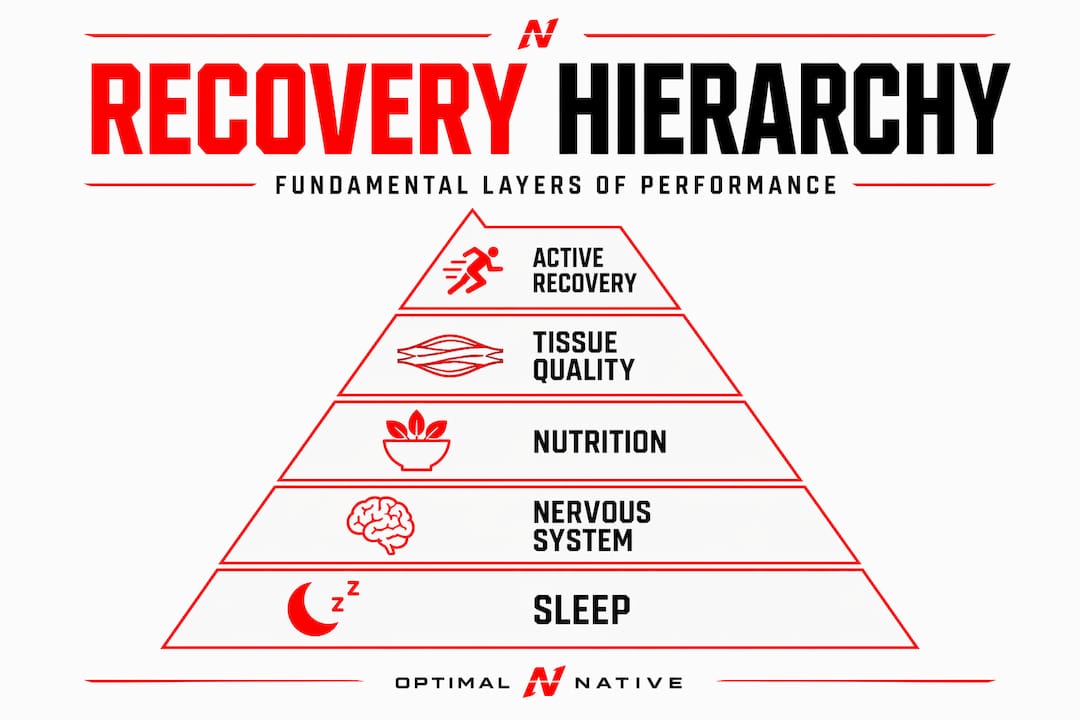
This framework applies whether you are a competitive athlete, an entrepreneur grinding through back-to-back meetings, or someone simply trying to have consistent energy throughout the day. The biology is the same. Stress, whether physical or cognitive, creates a demand for repair. Recovery optimization is the science and practice of meeting that demand as efficiently as possible.
Sleep and nervous system regulation
No conversation about recovery optimization strategies gets far without starting here. Sleep is where the majority of physical repair, memory consolidation, and hormonal restoration happens. It is not one of several important inputs. It is the foundational layer everything else depends on.
Comprehensive sleep hygiene protocols can increase deep sleep by 30 to 50% and improve recovery markers by 40 to 60%. That is a larger effect size than most supplements, gadgets, or recovery modalities combined. The practical steps that produce this outcome are less glamorous but more powerful:
- Keep a consistent wake time, even on weekends. Circadian rhythm consistency is more important than total hours for deep sleep quality.
- Drop room temperature to 65 to 68 degrees Fahrenheit. Core body temperature must fall to initiate and sustain deep sleep stages.
- Eliminate blue light exposure within 90 minutes of bedtime. Melatonin suppression from screens delays sleep onset by up to an hour.
- Avoid alcohol within three hours of sleep. It fragments sleep architecture and sharply reduces REM.
- Eat your last meal at least two hours before bed to prevent the metabolic interference that degrades sleep quality.
Equally critical is nervous system state. Parasympathetic activation is mandatory for recovery processes to function at all. The parasympathetic nervous system governs digestion, tissue repair, immune activity, and hormonal balance. You literally cannot recover in a state of sympathetic dominance, which is the “fight or flight” mode most high performers spend too much of their day in.
Deliberate breathwork is one of the most evidence-backed tools to shift this balance. Slow breathing at 6 breaths per minute measurably raises heart rate variability, a direct marker of parasympathetic activity. Box breathing (four counts in, four hold, four out, four hold) done for five to ten minutes post-training or before sleep creates a real neurological shift, not just a feeling of calm.
Pro Tip: Do five minutes of slow nasal breathing immediately after your training session, before you check your phone or eat. This single habit can dramatically accelerate the transition from sympathetic stress to parasympathetic recovery.
Nutrition timing, quality, and macronutrients
If sleep is the foundation, nutrition provides the raw materials. Your body cannot rebuild tissue, balance hormones, or reduce inflammation without adequate fuel and the right micronutrient environment.
The 2026 evidence-based targets for recovery are clear. Daily protein intake above 1.6 g/kg body weight is the threshold required to support ongoing muscle protein synthesis. Carbohydrate intake of 7 to 10 g/kg per day supports glycogen replenishment for athletes training at high volumes. For immediate post-exercise recovery, 1.0 to 1.2 g/kg of carbohydrate per hour in the first two hours maximizes glycogen synthesis rates.
Here is a practical framework for structuring nutrition to support recovery:
- Prioritize protein at every meal. Distribute intake evenly across three to four meals rather than loading it at one sitting. Muscle protein synthesis responds to leucine threshold doses, approximately 30 to 40 grams per meal, not to a massive single bolus.
- Time carbohydrates around training. A carbohydrate-rich meal in the two hours before training and again immediately after maximizes both performance and recovery response.
- Eat anti-inflammatory foods daily. Fatty fish, leafy greens, berries, and olive oil reduce systemic inflammation. Chronic low-grade inflammation is one of the most underappreciated barriers to consistent recovery.
- Address micronutrient gaps. Magnesium, zinc, and vitamin D are the three most common deficiencies in active populations, and all three directly affect sleep quality, testosterone levels, and immune function.
- Use structured protein intake for muscle repair. Research on protein after exercise confirms that timing and distribution matter as much as total daily intake.
Nutrition also feeds back into sleep quality in ways most people miss. Dietary fiber and polyphenol-rich foods stabilize blood glucose and reduce inflammation, which directly facilitates better sleep initiation and maintenance. A diet high in processed carbohydrates creates blood sugar spikes that fragment sleep architecture, particularly in the second half of the night.
| Nutritional Priority | Recovery Impact | Timing |
|---|---|---|
| Protein (>1.6 g/kg/day) | Muscle repair and synthesis | Distributed across all meals |
| Carbohydrates (7–10 g/kg/day) | Glycogen replenishment | Pre and post training |
| Anti-inflammatory foods | Reduced soreness, faster repair | Daily with every meal |
| Magnesium and Zinc | Sleep quality, hormone balance | Evening, with dinner |
Active recovery and tissue quality
Active recovery is not light training. That distinction matters more than most people realize. The purpose of active recovery is to facilitate blood flow, reduce soreness, and support the parasympathetic state without imposing any additional adaptive demand on the body.
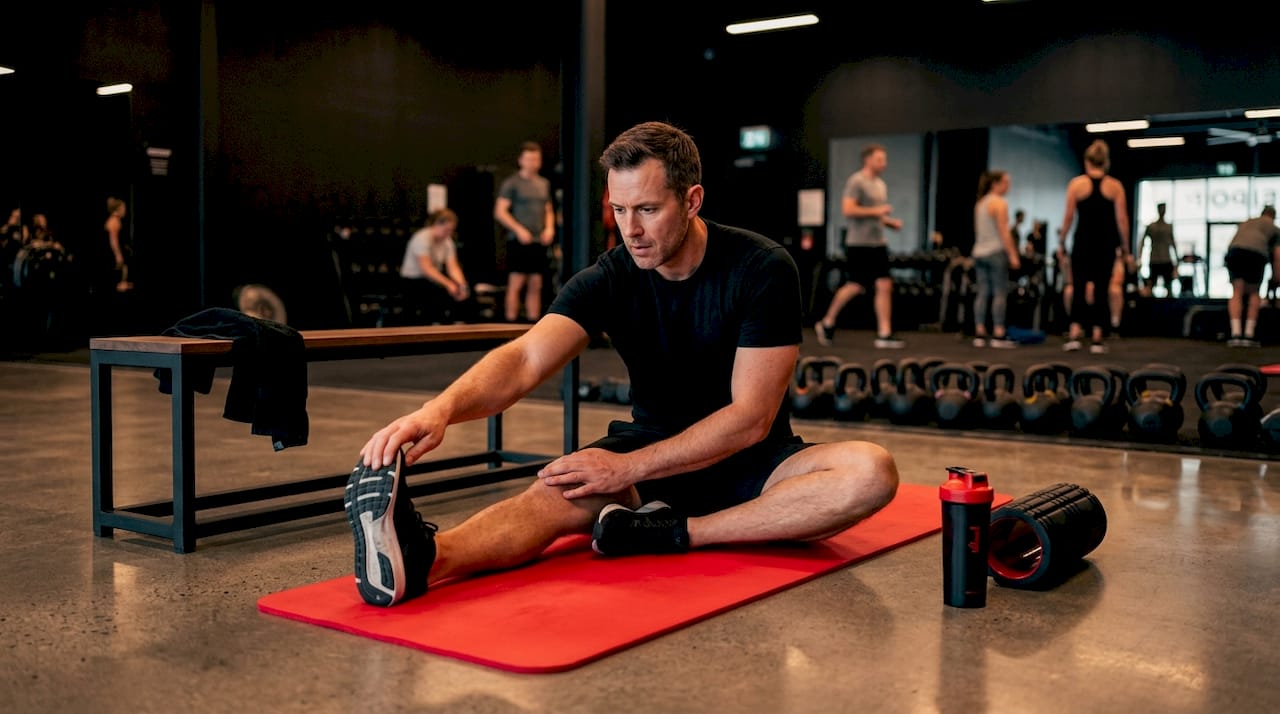
Active recovery must impose zero adaptive demand and facilitate parasympathetic dominance. If an active recovery session leaves you fatigued, it was training in disguise. The benchmark is simple: you should feel meaningfully better during and after the session than before it.
Effective active recovery activities include:
- Walking at a conversational pace for 20 to 40 minutes
- Swimming or cycling at very low intensity (rate of perceived exertion of 3 out of 10 or lower)
- Yoga or mobility flows focused on breath synchronization
- Light stretching targeting areas with restricted range of motion
- Cold or contrast water exposure for circulation and inflammation management
Tissue quality deserves its own focus. Hydration is the most underrated tissue quality variable. Fascial tissue and cartilage are largely avascular, meaning they depend on fluid movement to receive nutrients and clear waste products. Chronic dehydration quietly degrades tissue resilience over weeks and months.
Mobility work done daily for 10 to 15 minutes protects range of motion and reduces the accumulated tension patterns that build up from repetitive training or desk work. Foam rolling and soft tissue work are genuinely useful for improving tissue slide and reducing adhesions, but one common mistake is aggressive deep tissue work immediately post-training. Directly after a session, tissue is inflamed and vulnerable. Save the deep work for 24 hours post-exercise or later.
Pro Tip: Replace at least one of your rest days with a deliberate 30-minute active recovery session. A walk followed by 10 minutes of breathwork and light mobility work will leave you more recovered the next morning than a day spent sitting.
Technology and tracking tools
Wearables, HRV monitors, and recovery apps have become genuinely useful tools, but only in a specific context. The importance of recovery optimization at the foundational level cannot be replaced by any device.
HRV tracking provides the most actionable technological input when foundational recovery layers are intact. If you are sleeping poorly, under-eating protein, and chronically stressed, your HRV data will trend low regardless of what you do with that information. Technology amplifies good habits. It cannot substitute for missing them.
Here is how to interpret HRV data without overreacting to daily noise:
| HRV Signal | What It Means | How to Respond |
|---|---|---|
| Downward trend over 7 to 10 days | Accumulated fatigue or poor sleep quality | Reduce training volume, prioritize sleep and nutrition |
| Single-day dip after hard session | Normal post-exercise response | No change needed, expected rebound in 24 to 48 hours |
| Stable HRV despite hard training | Good foundational recovery in place | Maintain current approach |
| Chronic suppression despite adequate sleep | Possible nutrition gap or non-training stressor | Address life stress, check dietary intake |
HRV dips after intense sessions rebound within 24 to 48 hours and do not indicate negative adaptation when viewed as short-term fluctuations. The mistake most people make is treating daily HRV numbers like a stock price and adjusting training reactively. HRV is a lagging indicator and should be interpreted as a long-term trend metric.
Emerging tools like vagus nerve stimulators and photobiomodulation devices have growing evidence bases, but their effect sizes remain modest compared to the foundational layers. Consistent foundational habits rank significantly higher in enhancing nervous system health than exotic biohacks.
“Recovery is not a product you purchase. It is a biological condition you create through deliberate, layered habits. Technology helps you monitor that condition. It does not create it.”
My honest take on recovery mistakes
I’ve seen the same pattern repeat so many times it barely surprises me anymore. Someone invests in a top-tier HRV monitor, a cold plunge, and a stack of recovery supplements while sleeping six hours, eating erratically, and running on chronic stress. The results are predictably disappointing, and they usually conclude that “recovery optimization doesn’t really work.”
What I’ve learned is that the hierarchy is not optional. You cannot skip the foundation and make up for it at the top. Sleep and nervous system regulation are not two of several equally weighted variables. They are the substrate everything else is built on. In my experience, the athletes and high performers who make the most consistent progress are rarely the ones with the best gear. They are the ones who protect their sleep with the same seriousness they bring to their training.
The mindset shift that actually moves the needle is this: stop treating recovery as something you do after performance. Recovery is performance. Every sleep improvement, every breathwork session, every well-timed meal is a direct investment in what you can do tomorrow.
— Optimal Native
How Optimal Native supports your recovery
Understanding the recovery hierarchy is one thing. Building the daily habits that execute it is another. At Optimal Native, the approach is designed specifically for people who want to perform without the crash. The Morning Energy pouch combines nootropics and adaptogens that work with your body’s natural biochemical states, supporting clean focus and energy without the cortisol spike that undermines recovery later in the day.
For those building a sustainable performance protocol, the subscribe and save option makes it easy to stay consistent without thinking about reordering. Consistency is the variable that actually determines outcomes in recovery optimization, and Optimal Native makes that consistency easier to maintain.
FAQ
What does recovery optimization mean in simple terms?
Recovery optimization means deliberately creating the conditions your body needs to fully repair and adapt between periods of stress, including physical training, cognitive work, or daily demands. It is an active, structured process rather than passive downtime.
How does recovery optimization work?
It works by addressing a hierarchy of biological needs: sleep quality first, then nervous system regulation, followed by nutrition, tissue quality, active movement, and finally technology-assisted monitoring. Each layer supports the ones above it.
What are the biggest benefits of recovery optimization?
Structured recovery practices reduce injury risk by 25 to 40% and accelerate strength gains by 20 to 35%. Beyond physical performance, optimized recovery improves cognitive clarity, mood stability, and sustained daily energy.
Is HRV tracking a reliable recovery tool?
HRV is a useful biomarker when interpreted as a long-term trend rather than a daily reactive signal. Post-session HRV dips are normal and rebound in 24 to 48 hours. It only provides actionable data when foundational recovery habits are already in place.
How much protein do I need for optimal recovery?
Daily protein intake above 1.6 g/kg of body weight is the minimum evidence-based threshold for supporting muscle protein synthesis and recovery. Distributing this across three to four meals produces better results than consuming it in one or two sittings.