

Energy Supplements Safe for Teens: A Parent's Guide
TL;DR:
- Parents should prioritize sleep, nutrition, and medical guidance over energy supplements for teens.
- Caffeine intake must stay below 100 mg daily, with most energy drinks exceeding this safe limit.
Your teenager is dragging through homework at 9 p.m., and you’re wondering if an energy supplement could help. You’re not alone. Millions of parents face this question, and the stakes are real. Finding energy supplements safe for teens means cutting through aggressive marketing, confusing labels, and conflicting advice. This guide gives you a clear framework: what to look for, what to avoid, and which options actually hold up to scrutiny so you can make a confident, informed decision for your child.
Table of Contents
- Key takeaways
- 1. What makes energy supplements safe for teens
- 2. Top 5 safe energy boosters for adolescents
- 3. Comparison of popular energy supplements and drinks
- 4. When and how to consider supplements: a guide for parents
- My honest take on energy supplements for teens
- Support your teen’s energy the right way with Optimalnative
- FAQ
Key takeaways
| Point | Details |
|---|---|
| Caffeine limits matter most | Teens aged 12–18 should consume no more than 100 mg of caffeine daily from all sources combined. |
| Most energy drinks exceed safe limits | Many popular energy drinks contain 100–200 mg per serving, which already hits or surpasses the teen maximum. |
| Natural energy comes first | Sleep, hydration, and a balanced diet address the root causes of teen fatigue better than any supplement. |
| Ingredient transparency is non-negotiable | Choose products with clearly labeled ingredients and no proprietary blends that hide stimulant amounts. |
| Always consult a doctor first | Teens with heart conditions, anxiety, or medication use should never start any energy supplement without medical guidance. |
1. What makes energy supplements safe for teens
Before you pick up any product, you need to know what criteria actually separate a safe option from a risky one. The supplement aisle does not do this work for you.
Caffeine content is the first filter. Teens aged 12–18 should stay under 100 mg of caffeine per day from all sources combined. That includes coffee, soda, tea, and any supplement. Most popular energy drinks contain 100–200 mg per serving, meaning one can can push your teen right to or past the limit before they’ve had anything else.
Added sugars are the second red flag. The NIDDK recommends that teens limit added sugars to less than 10% of daily calories. Many energy drinks blow past that in a single serving. The combination of caffeine and sugar causes a blood sugar spike followed by a crash, which actually worsens fatigue and mood in teens rather than solving it.
Regulatory labeling is weaker than you think. Energy supplements sold as dietary supplements often lack specific federal caffeine limits and vary widely in what they’re required to disclose. The EU requires warning labels for drinks above 150 mg caffeine per liter. The U.S. has no equivalent threshold. That means a product can look clean on the front label while hiding significant stimulant loads in fine print.
Health conditions change the calculation entirely. Teens with heart conditions have no established safe caffeine level according to pediatric cardiologists. If your teen has anxiety, takes ADHD medication, or has any cardiovascular history, talk to their doctor before introducing any supplement.
Pro Tip: Ask your teen to show you every drink and supplement they consume in a typical day. Parents often underestimate teen caffeine intake because multiple sources add up fast in ways that label reading alone won’t catch.
2. Top 5 safe energy boosters for adolescents
These five options represent the best energy supplements for teens when evaluated against the safety criteria above. Each one is either caffeine-free or low-caffeine, clearly labeled, and built around nutrients rather than stimulants.
1. B-vitamin complexes
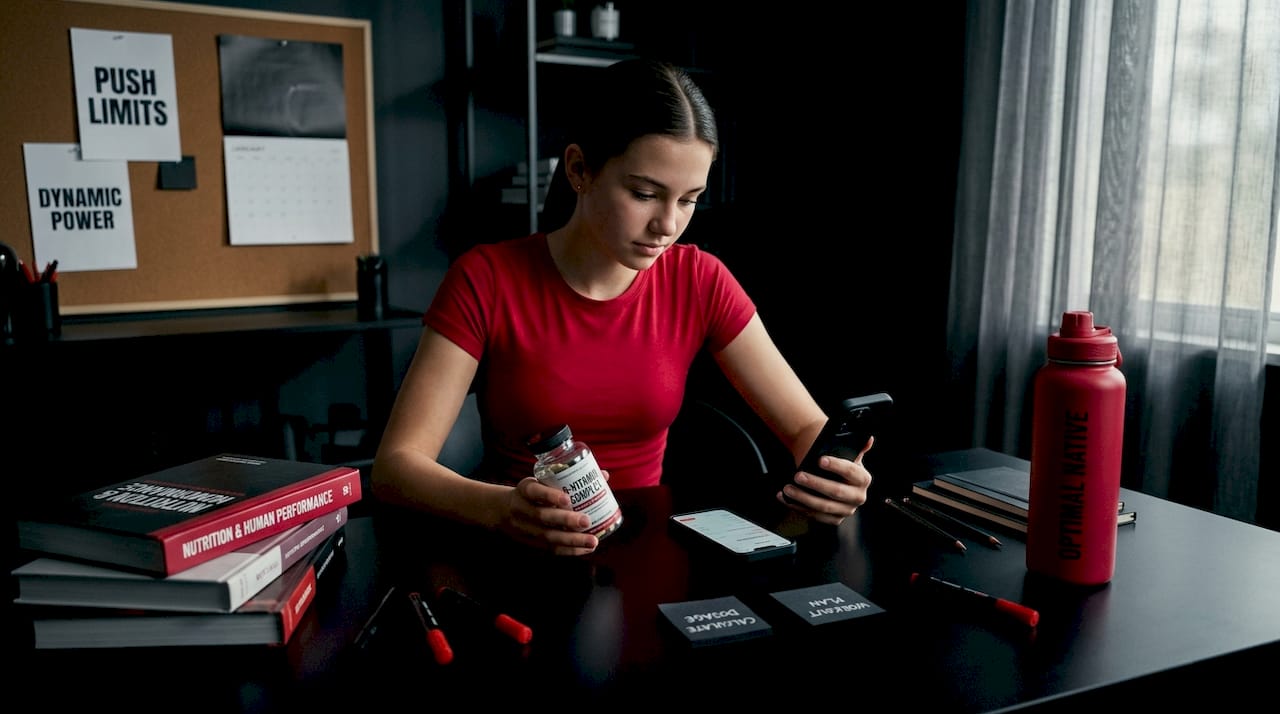
Vitamins B6 and B12 support the body’s natural energy production at the cellular level. They help convert food into usable fuel rather than forcing a stimulant response. B-vitamin supplements are widely available, inexpensive, and appropriate for teens who eat limited animal products or have confirmed deficiencies. Look for a product that lists specific milligrams per vitamin rather than a vague “energy blend.”
2. Iron supplements (with medical guidance)
Iron deficiency is one of the most common and most overlooked causes of teen fatigue, especially in adolescent girls. A blood test can confirm whether your teen is deficient. If they are, targeted iron supplementation can produce a noticeable improvement in energy and focus within weeks. Do not supplement iron without a confirmed deficiency, as excess iron has its own health risks.
3. Magnesium glycinate
Magnesium supports sleep quality, muscle recovery, and stress regulation. Teens who sleep poorly or feel chronically tired often have low magnesium intake. Glycinate is the form best absorbed and least likely to cause digestive upset. This is not an immediate energy booster. It works by improving the quality of rest and recovery, which pays off in better daytime energy over time.
4. Electrolyte drinks without added stimulants
Dehydration is a surprisingly common cause of afternoon fatigue in teens. Electrolyte drinks that contain sodium, potassium, and magnesium without caffeine or excessive sugar can restore hydration more effectively than plain water after exercise or a long school day. Check the label carefully. Many electrolyte products marketed to teens sneak in caffeine or large amounts of added sugar.
5. Low-caffeine green tea extract (under 50 mg per serving)
For teens who genuinely need a mild cognitive lift before an exam or athletic event, a standardized green tea extract with under 50 mg of caffeine per serving is one of the safer options. Green tea also contains L-theanine, an amino acid that softens the stimulant effect and reduces jitteriness. This keeps the teen comfortably below the daily 100 mg ceiling even if they consume other minor caffeine sources. You can also explore eco-friendly coffee alternatives that include green tea options with naturally lower caffeine loads.
3. Comparison of popular energy supplements and drinks
Not all products marketed to teens are created equal. This table gives you a fast, side-by-side look at how common options stack up against the 100 mg daily teen limit.
| Product type | Caffeine per serving | Sugar per serving | Other stimulants | Safety notes |
|---|---|---|---|---|
| Standard energy drink (16 oz) | 150–200 mg | 50–60 g | Taurine, guarana | Exceeds teen daily limit in one serving |
| “Teen-friendly” energy drink | 80–100 mg | 25–40 g | Taurine | At or near daily limit; leaves no room for other sources |
| Green tea extract supplement | 25–50 mg | 0 g | L-theanine | Safer range; monitor total daily caffeine |
| B-vitamin energy supplement | 0 mg | 0–5 g | None | Caffeine-free; addresses nutritional gaps |
| Electrolyte drink (no caffeine) | 0 mg | 5–10 g | None | Safest option; check for hidden additives |
| Sports drink (standard) | 0 mg | 20–35 g | None | High sugar; better than energy drinks but watch sugar load |
A Consumer Reports analysis of 23 energy drinks found that only one product tested below the 100 mg caffeine threshold. That means the vast majority of energy drinks on store shelves are not appropriate for teen consumption, regardless of how they are marketed.
Pro Tip: When reading labels, search for “guarana” or “yerba mate” in the ingredient list. These are plant-based caffeine sources that manufacturers sometimes list separately from caffeine, which means the total stimulant load is higher than the stated caffeine number suggests.
4. When and how to consider supplements: a guide for parents
Supplements are not the first answer. They are, at best, a targeted solution to a specific, confirmed gap. Here is how to think through the decision practically.
-
Start with sleep. Teens using energy supplements to fight fatigue are often masking sleep debt. The American Academy of Pediatrics recommends 8–10 hours per night for teens. If your teen is getting less than that, no supplement will compensate effectively. Fixing sleep is always step one.
-
Assess their diet honestly. A teen eating mostly processed food, skipping breakfast, and drinking soda is not experiencing a supplement deficiency. They’re experiencing a nutrition deficiency. Whole foods, adequate protein, and consistent meal timing will do more for their energy than any product in a bottle.
-
Get a blood panel before supplementing. If fatigue persists despite good sleep and nutrition, ask your pediatrician for a blood test. Low iron, low vitamin D, or thyroid issues are common culprits. Supplementing without knowing the cause is guesswork.
-
Watch for warning signs of overuse. Caffeine overuse in teens can cause insomnia, anxiety, jitteriness, and heart palpitations. If your teen is showing any of these symptoms, reduce or eliminate caffeine sources immediately and consult a doctor.
-
Track total caffeine across all sources. A teen who drinks a soda at lunch, has a sports drink after practice, and then takes a “low-caffeine” supplement in the evening can easily exceed 150 mg without realizing it. Total daily intake across every source is what matters, not just the number on one label.
-
Have an open conversation, not a lecture. Teens are more likely to make good choices when they understand the reasoning. Explain the 100 mg limit, show them how to read a label, and involve them in the decision. Prohibition without education rarely works. You can also point them toward satisfying healthy snack alternatives that support energy naturally through food.
-
Revisit the decision regularly. A supplement that seems appropriate at 14 may need to be reconsidered at 16 as activity levels, stress, and body weight change. This is not a set-it-and-forget-it decision.
My honest take on energy supplements for teens
I’ve spent years looking at how families navigate the supplement space, and the pattern I see most often is this: parents come looking for a product when what their teen actually needs is a lifestyle adjustment. That’s not a criticism. It’s a reflection of how aggressively these products are marketed, and how easy it is to believe a label that promises “clean energy” or “natural focus.”
The regulatory gaps are real. Energy supplement marketing claims779236_EN.pdf) are largely unregulated in the U.S., which means a product can call itself “teen-safe” with no legal obligation to back that up. I find that genuinely concerning, and I think parents deserve to know it.
What I’ve found actually works is a tiered approach. Sleep and nutrition first. A targeted, confirmed-deficiency supplement second. A low-stimulant, clearly labeled product third, and only when the first two are already solid. The teens I see thriving academically and athletically are almost never the ones relying on energy drinks. They’re the ones who sleep consistently, eat real food, and stay hydrated.
If you do decide a supplement is appropriate, choose products where you can verify every ingredient independently, not just trust the front-of-package claim. And keep the conversation with your teen open. The goal is to build their awareness of how their body works, not to hand them a shortcut.
— Optimal
Support your teen’s energy the right way with Optimalnative
If you’ve done the work of fixing sleep and nutrition and you’re still looking for a clean, well-formulated option to support your teen’s focus and energy, Optimalnative is worth a serious look.
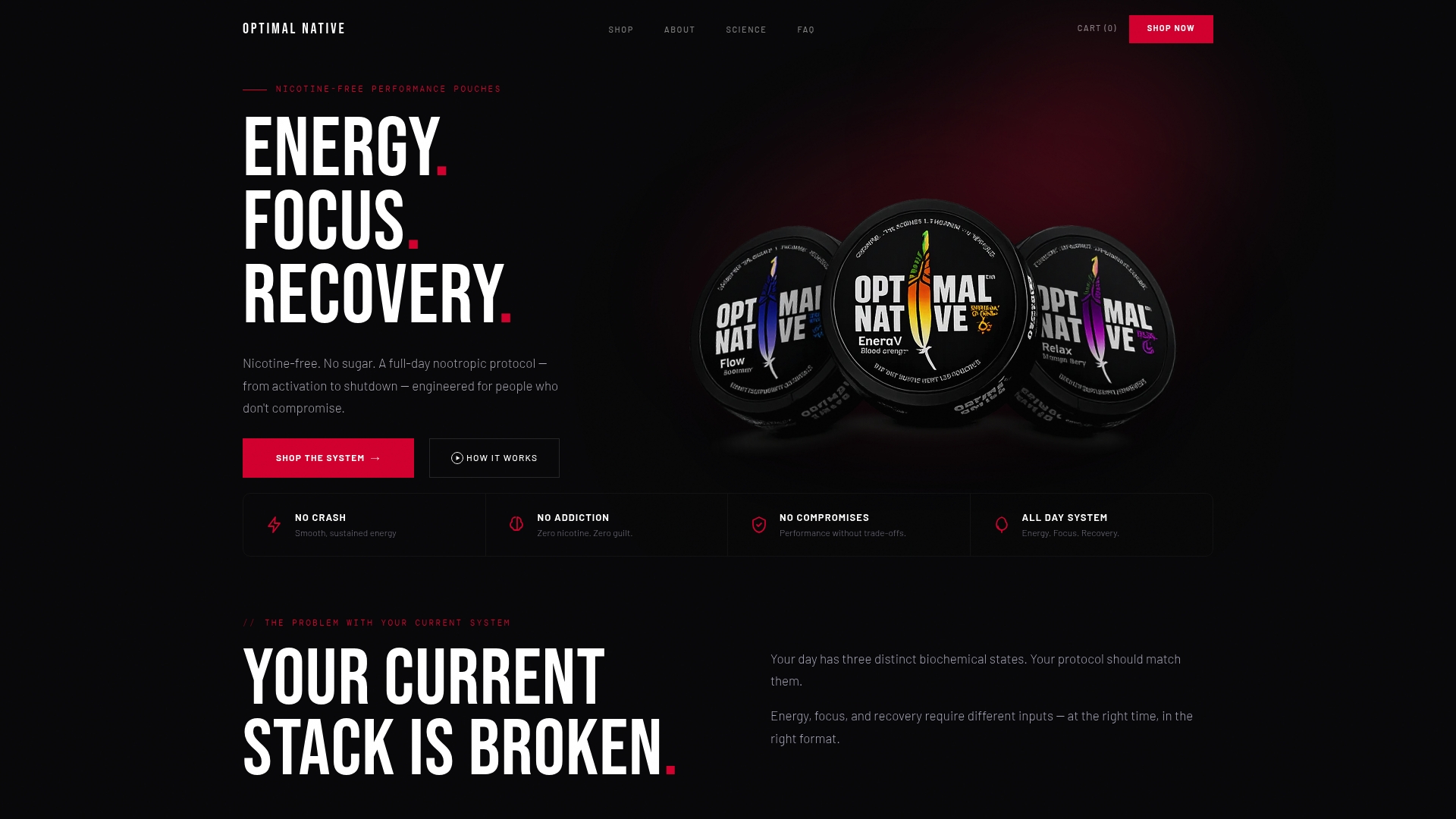
Optimalnative’s Morning Energy formula uses nootropics and adaptogens rather than high-dose caffeine or sugar, which means no jitters and no afternoon crash. It’s the kind of product built for people who want sustained performance without the dependency cycle that most energy products create. Parents who want consistent access without the hassle of reordering can explore the Subscribe and Save option for regular deliveries. As always, consult your teen’s healthcare provider before introducing any new supplement to their routine.
FAQ
What is the safe caffeine limit for teenagers?
Teens aged 12–18 should consume no more than 100 mg of caffeine per day from all sources, including soda, coffee, tea, and supplements. Children under 12 should avoid caffeine entirely.
Are energy drinks safe for teens?
Most commercial energy drinks are not safe for teens. Many contain 150–200 mg of caffeine per serving, which exceeds the recommended daily limit in a single can, plus added sugars and stimulants like taurine and guarana.
What are the best natural energy drinks for teenagers?
Caffeine-free electrolyte drinks and low-sugar hydration beverages are the safest natural energy drinks for teenagers. Green tea with under 50 mg caffeine per serving is a reasonable option for older teens when total daily caffeine is monitored.
Can teens take B-vitamin energy supplements?
Yes, B-vitamin supplements are generally safe for teens and caffeine-free. They support natural energy production at the cellular level and are particularly useful for teens with dietary gaps, such as those following plant-based diets.
How do I know if my teen is consuming too much caffeine?
Watch for insomnia, anxiety, jitteriness, headaches, or heart palpitations. These are common signs of caffeine overuse in teens. If symptoms appear, reduce all caffeine sources and speak with a pediatrician.